
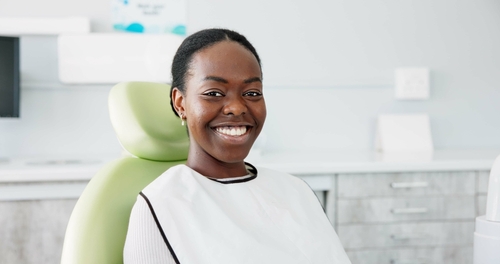
If you have sensitive teeth and dream of a brighter smile, you are not alone. Many of our patients here in Northridge ask whether whitening for sensitive teeth is even possible. The good news is that it absolutely is – and I am here to walk you through every step. I am Dr. Shahdad Arami, DDS, and at Northridge Dental Group, I help patients achieve whiter, more confident smiles every day, even when tooth sensitivity is a concern. Let me share what I know so you can make the best decision for your oral health.
Why Do Teeth Become Sensitive During Whitening?
Before we discuss solutions, it helps to understand what causes sensitivity in the first place. Tooth whitening products contain active ingredients – most commonly hydrogen peroxide or carbamide peroxide. These ingredients break apart stain molecules on your enamel. That process is what gives you a brighter smile.
However, the peroxide can also temporarily penetrate through the enamel and reach the dentin layer beneath it. Dentin contains tiny tubes called dentinal tubules that lead directly to the nerve of the tooth. When peroxide reaches these tubules, it can trigger a short, sharp sensation. This is the sensitivity many people feel during or after a whitening treatment.
According to research published in the Journal of the American Dental Association, approximately 60 to 70 percent of patients experience some level of tooth sensitivity during peroxide-based whitening treatments. That number may sound high, but the sensitivity is almost always temporary and manageable with the right approach.
Professional Whitening Options for Sensitive Teeth
At our Northridge office, we offer in-office teeth whitening designed specifically for patients with sensitivity concerns. Professional whitening for sensitive teeth is different from over-the-counter products in several important ways.
Custom-Fitted Whitening Trays
One of the most effective approaches is a take-home whitening system that uses custom-fitted trays. I take impressions of your teeth and create trays that fit perfectly. The precise fit means the whitening gel stays on your teeth and does not leak onto your gums. This reduces irritation significantly. We also use a lower-concentration peroxide gel applied over a longer period, which is gentler on sensitive teeth while still producing beautiful results.
In-Office Whitening with Desensitizing Agents
For patients who want faster results, we offer in-office bleaching sessions that include built-in desensitizing protocols. Before we apply the whitening gel, I may coat your teeth with a desensitizing solution containing potassium nitrate or fluoride. These agents help block the dentinal tubules, reducing the nerve response. A study published in Operative Dentistry found that pre-treatment with potassium nitrate reduced whitening-related sensitivity by up to 33 percent compared to a placebo group.
Gradual Whitening Plans
Sometimes the best strategy for teeth whitening with sensitivity is simply to slow things down. Instead of using a high-concentration gel for one long session, I may recommend shorter sessions spread over several weeks. This gradual approach gives your teeth time to recover between treatments and minimizes discomfort. Many of our patients from Northridge and nearby Granada Hills find this method very comfortable.
At-Home Tips for Whitening Sensitive Teeth Safely
If you prefer to whiten your teeth at home, there are several steps you can take to protect sensitive teeth during the process.
- Use a desensitizing toothpaste: Start brushing with a toothpaste that contains potassium nitrate at least two weeks before you begin whitening. This ingredient helps calm the nerves inside your teeth.
- Choose a lower peroxide concentration: Look for whitening products with 10 percent carbamide peroxide or less. Higher concentrations work faster but cause more sensitivity.
- Limit contact time: Follow the product instructions carefully. Do not leave whitening strips or trays on longer than directed. More time does not always mean better results – it often just means more discomfort.
- Take breaks between sessions: If you start feeling sensitivity, skip a day or two. Your enamel needs time to remineralize.
- Apply fluoride gel after whitening: A fluoride rinse or gel after each whitening session can help strengthen enamel and close those tiny tubules that cause sensitivity.
These strategies make at-home bleaching for sensitive teeth a much more comfortable experience. However, I always recommend consulting with a dentist before starting any whitening regimen, especially if you already have sensitive teeth.
What to Avoid When Whitening Sensitive Teeth
Not all whitening products are created equal. Some methods can actually make sensitivity worse. Here are a few things to steer clear of.
- Charcoal-based whitening products: These are abrasive and can wear down enamel, making sensitivity worse over time.
- Unregulated online whitening kits: Products purchased from unverified sellers may contain dangerously high concentrations of peroxide. Stick with ADA-accepted brands or products recommended by your dentist.
- Whitening immediately after dental work: If you recently had a filling, crown, or any restorative procedure, give your teeth time to heal before whitening.
- Acidic foods and drinks right after whitening: Your enamel is slightly more porous after a whitening session. Avoid citrus, coffee, and wine for at least 24 hours to prevent extra sensitivity and staining.
The American Dental Association offers an excellent resource on safe whitening practices and ADA-accepted products that you can review before making any purchase.
How We Help Patients at Northridge Dental Group
Every patient’s teeth are unique, and sensitivity levels vary widely. That is why I always begin with a thorough examination. During your visit, I check for underlying causes of sensitivity – such as gum recession, cracked enamel, or cavities – before recommending any whitening treatment. Addressing these issues first ensures that your whitening experience is both safe and comfortable.
If you are interested in learning more about protecting your enamel and maintaining a healthy smile, I encourage you to read our post on dental crowns and bridges in Northridge. Strong restorations can play a role in protecting vulnerable teeth before and after whitening. You may also find our article on teeth whitening in Northridge helpful for understanding the full range of whitening services we provide.
Long-Term Care After Whitening
Once you achieve your ideal shade, maintaining your results is simple with the right habits. Brush twice daily with a soft-bristled toothbrush and a sensitivity-friendly toothpaste. Floss every day. Visit our office for regular cleanings – professional cleanings remove surface stains before they build up. And if you enjoy coffee, tea, or red wine, consider using a straw to minimize direct contact with your front teeth.
Touch-up whitening sessions once or twice a year can also keep your smile bright without starting over from scratch. For patients with sensitive teeth, these maintenance sessions are typically very brief and use a low-concentration gel, so discomfort is minimal.
You Deserve a Bright Smile Without the Pain
Whitening for sensitive teeth does not have to be stressful or uncomfortable. With the right guidance, the right products, and a personalized treatment plan, you can enjoy a whiter smile without unnecessary pain. Whether you live right here in Northridge or in the surrounding San Fernando Valley communities, our team is ready to help you find the safest, most effective path to the smile you want.
Frequently Asked Questions
Is whitening safe for people with sensitive teeth?
Yes, whitening is safe for people with sensitive teeth when done correctly. Your dentist can use lower-concentration gels and desensitizing agents to minimize discomfort. It is important to have a dental exam first to rule out underlying issues like cavities or gum recession that could make sensitivity worse during treatment.
What is the best whitening method for sensitive teeth?
Custom-fitted whitening trays with a low-concentration carbamide peroxide gel are often the best option for sensitive teeth. This method allows your dentist to control the exact amount of gel and exposure time. In-office treatments with pre-applied desensitizing agents are another excellent choice for patients who want faster results.
How long does sensitivity last after teeth whitening?
Sensitivity after teeth whitening is usually temporary and lasts between one and three days. In most cases, any discomfort fades completely within 48 hours. Using a desensitizing toothpaste before and after treatment can help shorten this period significantly.
Can I use whitening strips if I have sensitive teeth?
You can use whitening strips if you have sensitive teeth, but choose a product specifically labeled for sensitivity with a lower peroxide concentration. Avoid wearing the strips longer than the recommended time. If you notice increased discomfort, take a break for a day or two before your next application.
Should I see a dentist before whitening my sensitive teeth at home?
Yes, seeing a dentist before whitening sensitive teeth at home is highly recommended. A dentist can identify the cause of your sensitivity and ensure that whitening will not worsen any existing dental conditions. They can also recommend the safest products and techniques for your specific situation.
Written by Dr. Shahdad Arami, DDS – Northridge Dental Group