One of the most common questions I hear from patients at our Northridge practice is simple: are dental implants worth it? I’m Dr. Shahdad Arami, DDS, and I’ve placed thousands of dental implants over the years. I understand that replacing a missing tooth is a big decision. It involves your health, your confidence, and your budget. That’s why I want to give you a clear, honest answer. In my professional experience, dental implants are one of the best investments you can make in your oral health. Let me explain exactly why.
What Are Dental Implants?
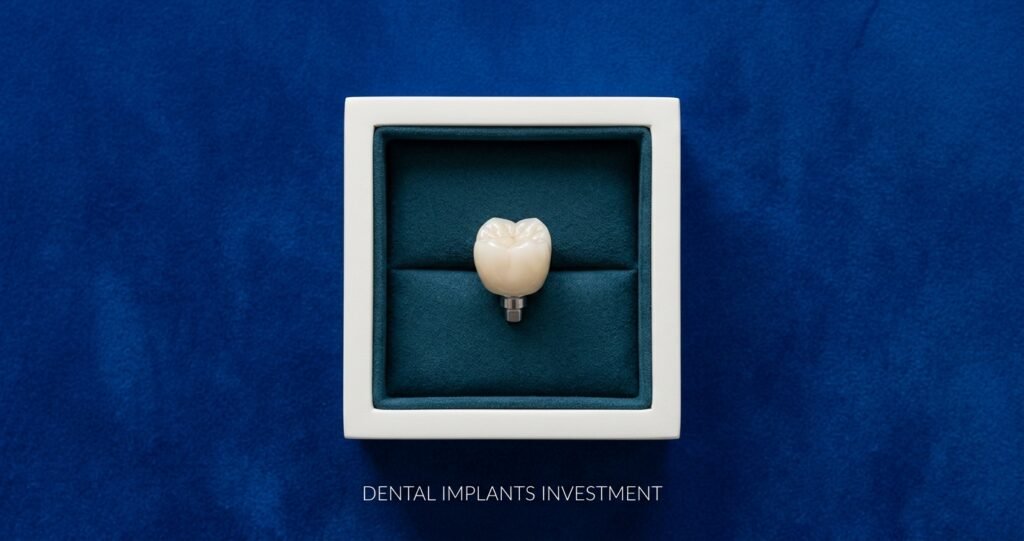
A dental implant is a small titanium post that a dentist surgically places into your jawbone. It acts as an artificial tooth root. Once it heals and fuses with the bone – a process called osseointegration – a custom crown is attached on top. The result looks, feels, and functions like a natural tooth. Unlike dentures or bridges, implants don’t rely on neighboring teeth for support. They stand on their own, which makes them a uniquely durable and self-sufficient solution.
Why Patients in Northridge Ask If Implants Are Worth the Investment
Cost is usually the first concern. Dental implants are not the cheapest way to replace a missing tooth upfront. A single implant can range from $3,000 to $5,000 or more depending on the complexity of the case. Compared to a traditional bridge or a partial denture, that number can feel high. But here’s what I always tell my patients in Northridge and the surrounding San Fernando Valley communities: you need to look at the full picture. The true value of dental implants becomes clear when you consider longevity, bone health, comfort, and quality of life.
The Long-Term Value of Dental Implants
Dental implants are designed to last a lifetime with proper care. According to a systematic review published in the Journal of Dental Research, dental implants have a survival rate of approximately 95% over a 10-year period (Papaspyridakos et al., 2012). Compare that to a dental bridge, which typically lasts 5 to 15 years before it needs replacement. Over 20 or 30 years, you may pay for two or three bridges – or one implant that still functions perfectly.
When you break down the cost per year, implants often end up being the more affordable choice. They also require no special adhesives, no soaking overnight, and no frequent adjustments. You simply brush and floss them like your natural teeth. That simplicity has enormous value for patients who want a hassle-free solution.
Dental Implants Protect Your Jawbone
This is one of the most important reasons dental implants are worth it, and it’s something many patients don’t initially consider. When you lose a tooth, the jawbone beneath it begins to shrink. This process is called bone resorption. Over time, it changes the shape of your face and can make you look older than you are. The Mayo Clinic notes that dental implants are the only tooth replacement option that stimulates the jawbone and prevents this bone loss.
Dentures and bridges sit on top of the gums. They don’t provide the same stimulation. A study in the Clinical Oral Implants Research journal found that patients who wore conventional dentures experienced up to 40-60% reduction in jawbone width within the first few years after tooth loss (Carlsson, 2004). Dental implants halt this process because the titanium post mimics a natural root and keeps the bone active and healthy.
Implants Improve Your Quality of Life
Beyond the clinical benefits, there’s the everyday experience of living with dental implants. Patients tell me they can eat their favorite foods again – corn on the cob, steak, apples – without worry. They smile freely in photos. They speak clearly without concern about a denture slipping. These quality-of-life improvements are difficult to put a price tag on, but they matter enormously.
I see patients from Northridge, Granada Hills, Porter Ranch, and throughout the Valley who have avoided social situations because of missing teeth. After getting implants, their entire demeanor changes. They stand taller, laugh more easily, and feel genuinely confident. That transformation is one of the most rewarding parts of my work.
Are Dental Implants Right for Everyone?
Most healthy adults are excellent candidates for dental implants. You need enough jawbone density to support the implant, healthy gums, and a commitment to good oral hygiene. Certain conditions like uncontrolled diabetes or heavy smoking can affect healing, but they don’t automatically disqualify you. We evaluate every patient on a case-by-case basis.
If you’ve been told you don’t have enough bone, advanced procedures like bone grafting can rebuild the foundation needed for successful implant placement. Modern dentistry has made it possible for more people than ever to enjoy the benefits of implants. During a consultation at our Northridge office, we use advanced imaging to assess your bone structure and create a personalized treatment plan.
Dental Implants vs. Dentures and Bridges
Let me break down the key differences so you can see why many patients consider implants the superior option:
- Durability: Implants last decades or a lifetime. Bridges last 5-15 years. Dentures need relining and replacement every 5-8 years.
- Bone preservation: Only implants prevent jawbone loss. Dentures and bridges do not stimulate the bone.
- Adjacent teeth: Bridges require grinding down healthy neighboring teeth. Implants leave surrounding teeth untouched.
- Comfort: Implants feel like natural teeth. Dentures can slip, cause sore spots, and restrict what you eat.
- Maintenance: Implants are cared for just like natural teeth. Dentures require removal, soaking, and special cleaning products.
When patients weigh these factors, it becomes clear that implants offer benefits that no other option can match. If you’re curious about the full range of implant benefits, I encourage you to explore our detailed guide on the topic.
What to Expect During the Dental Implant Process
The process typically involves a few key stages spread over several months. First, the implant post is placed into the jawbone during a minor surgical procedure. Most patients say it’s more comfortable than they expected. Then, we allow 3 to 6 months for the implant to integrate with the bone. During this healing phase, you’ll wear a temporary restoration so you’re never without a tooth. Finally, a permanent custom crown is placed on top. The crown is color-matched to your natural teeth for a seamless appearance.
Throughout every step, our team at Northridge Dental Group keeps you informed and comfortable. We use local anesthesia and sedation options to ensure a positive experience.
Making the Decision: Is the Investment Worth It?
When patients ask me whether dental implants are worth the cost, I ask them to think about it this way: what is the cost of not replacing a missing tooth? Bone loss, shifting teeth, difficulty chewing, and diminished confidence all carry their own price – both financial and personal. Dental implants address every one of these concerns in a single, long-lasting solution.
Many dental offices, including ours, offer flexible financing options to help make implants accessible. When you divide the cost over the lifespan of the implant, the daily investment is remarkably small. For many patients across the San Fernando Valley, that peace of mind is priceless.
Frequently Asked Questions
Are dental implants worth the money compared to dentures?
Yes, dental implants are generally worth the higher upfront cost when compared to dentures. Implants last significantly longer, prevent jawbone loss, and feel like natural teeth. Over time, the cost of maintaining and replacing dentures can actually exceed the one-time investment in implants.
How long do dental implants actually last?
With proper oral hygiene and regular dental checkups, dental implants can last 25 years or even a lifetime. The titanium post itself is incredibly durable, and the crown on top typically lasts 10 to 15 years before it may need replacement. This makes implants the most long-lasting tooth replacement available.
Is getting a dental implant painful?
Most patients report that the procedure is less painful than they expected. Local anesthesia and sedation options keep you comfortable during surgery. After the procedure, mild soreness and swelling are normal but manageable with over-the-counter pain medication for a few days.
Can dental implants fail, and what causes failure?
Dental implant failure is uncommon, with success rates around 95%. The most common causes of failure include infection, insufficient bone density, smoking, and poor oral hygiene after placement. Choosing an experienced implant dentist and following post-operative instructions greatly reduces your risk.
Do dental implants look and feel like real teeth?
Absolutely. Dental implants are designed to replicate the look, feel, and function of natural teeth. The crown is custom-made to match the color and shape of your surrounding teeth. Because the implant is anchored in your jawbone, it feels stable and secure – just like a real tooth.
Written by Dr. Shahdad Arami, DDS – Northridge Dental Group