Treating Gum Recession

Gum Grafting in Northridge

When gums pull back from the teeth, they expose the roots, which can cause sensitivity and, over time, put teeth at risk. Gum grafting restores the lost tissue, protects the roots, and gives your smile a healthier, more even gumline.

Gum grafting at Northridge Dental Group is performed by Dr. Farshid Ariz, DMD, a board-certified periodontist with advanced training in gum and soft-tissue surgery. Serving the San Fernando Valley since 1974.
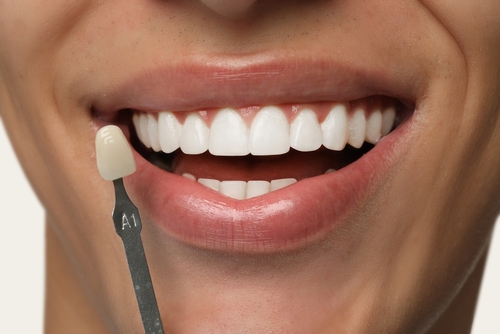
Gum grafting for gum recession at Northridge Dental Group
Board-Certified Periodontist

What gum grafting does

Gum grafting adds healthy tissue where the gums have receded. It covers exposed roots, reduces sensitivity, and helps protect the teeth from further recession, while restoring a more even gumline.

Gum recession can come from hard brushing, gum disease, grinding, or simply genetics. You might notice teeth looking longer, roots that feel sensitive to hot or cold, or a notch near the gumline. Left alone, recession tends to continue.

Signs you may need a gum graft

  • Teeth that look longer than they used to
  • Sensitivity to hot, cold, or sweet foods near the gumline
  • A visible step or notch where the gum meets the tooth
  • Roots that are visibly exposed

Gum grafting is one part of periodontal care. If gum disease is contributing to the recession, Dr. Ariz treats that first, then plans the graft. A consultation and exam tell us what your gums actually need.

Gum Grafting Questions

The area is numbed so you are comfortable during the procedure, and sedation is available if you feel anxious. Most people describe the recovery as manageable, with mild soreness for a few days. Dr. Ariz gives you clear aftercare instructions to keep you comfortable while you heal.

A successful graft restores lost tissue, and good habits help it last. That means gentle brushing, treating any gum disease or grinding, and keeping regular checkups. Dr. Ariz will talk through what caused the recession so you can protect the result.

Recession usually continues without treatment. Over time, exposed roots are more prone to decay and sensitivity, and in advanced cases the support around a tooth can weaken. Treating recession earlier is simpler than treating it later, which is why an exam is worthwhile if you have noticed changes.

Most people return to normal activities quickly, with the treated area healing over the following weeks. You will have some simple guidance on eating and brushing near the site while it settles. Dr. Ariz confirms what to expect based on the type of graft you receive.

Noticing sensitive or receding gums?

Protect your smile from gum recession

Schedule a consultation with Dr. Ariz to treat gum recession and protect your teeth.

HoursMon to Fri, 9:00 AM to 5:30 PM
ClosedSaturday & Sunday
Address9801 Balboa Boulevard, Northridge, CA 91325